
Morocco is a dream destination for food lovers. Beyond its beautiful cities, historic medinas, and landscapes, the country offers a rich culinary heritage. Additionally, this heritage is shaped by Amazigh, Arab-Andalusian, African, and Mediterranean influences, including 10 Moroccan Dishes Every Traveler Should Try.
Moroccan cuisine is famous for its fragrant spices, slow-cooked dishes, fresh ingredients, and sweet-savory flavor combinations.
From steaming plates of couscous to traditional tagines and delicate pastries, meals reveal a diverse culture.
Additionally, 10 Moroccan Dishes Every Traveler Should Try illustrates Morocco’s culinary variety.
Whether you are visiting Morocco for the first time or returning to explore more of the country, these ten traditional Moroccan dishes deserve a place on your culinary bucket list.
1. Moroccan Tagine: A Taste of Tradition
The tagine is one of Morocco’s most recognizable dishes. Its name refers both to the traditional clay cooking pot and to the slow-cooked meal prepared inside it.
Moroccan tagines come in many varieties, including chicken with preserved lemons and olives, lamb with prunes and almonds, beef with vegetables, and fish with aromatic spices.
The slow-cooking process allows the ingredients to absorb the flavors of herbs, spices, and sauces, creating a rich and satisfying meal.
Where to try it: Tagine is widely available in traditional restaurants, local eateries, and riads throughout Morocco. Marrakesh, Fez, and Meknes are excellent destinations for discovering different recipes.
Travel tip: If you are unsure which variety to choose, start with chicken, preserved lemon, and olives for a classic introduction to Moroccan flavors.
2. Moroccan Couscous: A Dish Made for Sharing
Couscous is one of the cornerstones of Moroccan cuisine and is traditionally associated with family gatherings and Friday meals.
It consists of steamed semolina grains served with vegetables and a flavorful broth, often accompanied by chicken, beef, or lamb. Recipes vary across the country, with some regions offering distinctive local versions.
For many Moroccan families, couscous represents hospitality, togetherness, and the pleasure of sharing food around one table.
Where to try it: Look for traditional restaurants and family-run establishments in cities such as Fez, Marrakesh, and Rabat. Friday lunchtime is a particularly good opportunity to look for traditional couscous, although availability varies by restaurant.
Travel tip: Take your time and enjoy the dish as it is traditionally served. Couscous is not just a meal; it is part of Morocco’s social and cultural life.
3. Pastilla: The Perfect Balance of Sweet and Savory
Pastilla, also known as bastilla or bisteeya in different transliterations, is a celebrated Moroccan pastry that combines delicate layers of crisp pastry with a richly seasoned filling.
Traditional versions may contain pigeon or chicken, eggs, almonds, cinnamon, and other spices. Fish and seafood variations are also popular in some places.
One of the most distinctive features of classic poultry pastilla is its contrast of flavors: a savory filling combined with sweet, fragrant almonds and a light dusting of cinnamon and sugar.
Pastilla is often served at celebrations, family gatherings, and special occasions, making it a wonderful example of Morocco’s elaborate culinary traditions.
Where to try it: Fez is particularly renowned for its pastilla, although you can also find it in restaurants and traditional kitchens in other Moroccan cities.
Travel tip: If you enjoy discovering unusual flavor combinations, pastilla is one dish you should not miss.
4. Harira: Morocco’s Comforting Traditional Soup
Harira is a nourishing Moroccan soup prepared with tomatoes, lentils, chickpeas, herbs, and spices. Depending on the recipe, it may also contain meat, pasta, or a thickening mixture of flour and water.
It is especially associated with Ramadan, when many Moroccan families enjoy it to break their fast. However, harira can also be found in restaurants and traditional eateries at other times of the year.
Its comforting texture and aromatic ingredients make it a popular choice for anyone seeking an authentic taste of Moroccan home cooking.
Where to try it: Traditional restaurants, neighborhood eateries, and food stalls are good places to look for harira, especially during Ramadan.
Travel tip: Enjoy it with Moroccan bread and, if you like, a traditional sweet such as chebakia for a classic Ramadan-inspired combination.
5. Tanjia Marrakchia: Marrakesh’s Signature Dish
Tanjia is a traditional specialty strongly associated with Marrakesh. It is usually prepared with lamb or beef, garlic, preserved lemon, spices, and other ingredients that vary according to the recipe.
The ingredients are placed in a distinctive earthenware vessel and cooked slowly for several hours, producing tender meat and a deeply flavored sauce.
Unlike tagine, which is often cooked and served in its familiar dish, tanjia has its own preparation tradition and a special connection to Marrakesh’s food culture.
Where to try it: Marrakesh is the best place to seek out authentic tanjia. Ask local guides or trusted restaurant staff where it is prepared traditionally.
Travel tip: Allow enough time to enjoy the dish, as its slow-cooking method is an essential part of its character.
6. Rfissa: A Traditional Dish with Deep Roots
Rfissa is a comforting Moroccan dish made with chicken, lentils, onions, fenugreek, and a fragrant broth seasoned with traditional spices.
It is served over shredded msemen or another type of thin Moroccan flatbread, allowing the bread to absorb the flavorful sauce.
Rfissa is often prepared for family occasions and is especially associated with traditional home cooking. Its combination of soft bread, tender chicken, lentils, and aromatic broth makes it a distinctive part of Moroccan gastronomy.
Where to try it: Look for traditional Moroccan restaurants or ask local hosts about places that prepare rfissa. Some establishments may require advance ordering.
Travel tip: If you want to explore beyond the dishes most commonly found on tourist menus, rfissa is an excellent choice.
7. Moroccan Mechoui: Slow-Roasted Meat
Mechoui is a traditional method of preparing lamb or sheep through slow roasting, often in a specialized oven. The result is tender meat with a rich flavor and, depending on the preparation, beautifully browned skin.
The dish is frequently associated with celebrations, gatherings, and special occasions. In some places, it is sold in individual portions, allowing visitors to experience this traditional specialty without ordering an entire roast.
Where to try it: Marrakesh is particularly well known for its mechoui, but versions can be found elsewhere in Morocco.
Travel tip: Ask whether the meat is sold by portion or weight before ordering, and check which accompaniments are included.
8. Zaalouk: A Flavorful Moroccan Starter
Zaalouk is a traditional cooked salad made primarily from eggplant and tomatoes, seasoned with ingredients such as garlic, olive oil, cumin, paprika, and fresh herbs.
Its texture is soft and rich, and its flavor combines the sweetness of cooked tomatoes with the earthy taste of eggplant and aromatic spices.
Zaalouk is commonly served as a starter or side dish alongside Moroccan bread. It is also a great introduction to the vegetable-based dishes that form an important part of Moroccan meals.
Where to try it: You can find zaalouk in traditional restaurants throughout Morocco, often served alongside other cooked salads and small starters.
Travel tip: Pair it with freshly baked Moroccan bread for a simple and delicious way to experience local flavors.
9. Moroccan Sardines: A Coastal Favorite
Morocco’s Atlantic and Mediterranean coastlines provide access to a wide variety of seafood, and sardines are among the country’s best-known fish.
They may be grilled, fried, marinated, or stuffed with chermoula, a flavorful mixture commonly made with herbs, garlic, lemon, and spices.
For travelers exploring Morocco’s coastal cities, freshly prepared sardines offer a delicious alternative to meat-based traditional dishes.
Where to try them: Tangier, Essaouira, Agadir, and other coastal destinations are excellent places to look for seafood restaurants and local fish markets.
Travel tip: Choose a busy establishment with good food-handling practices, and ask about the day’s catch for the freshest options.
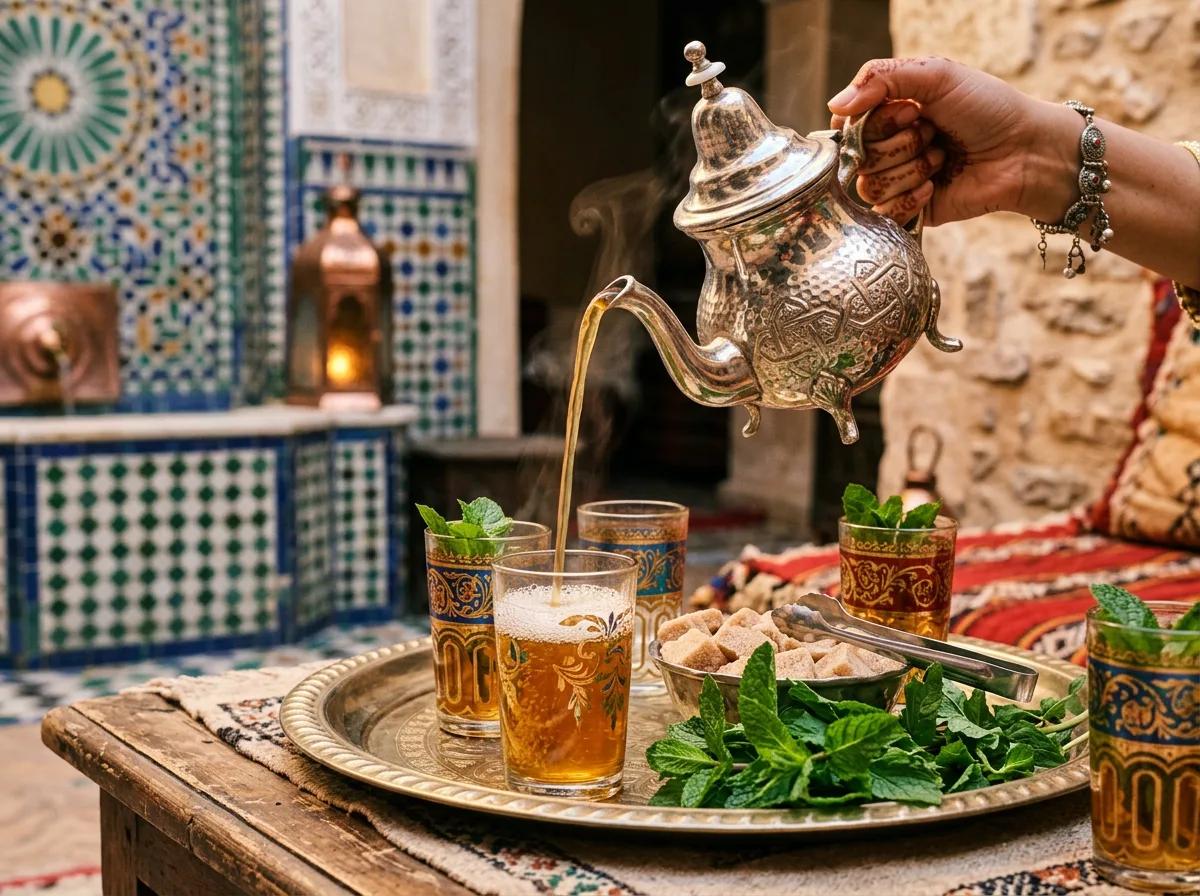
10. Moroccan Mint Tea: More Than Just a Drink
No culinary journey through Morocco would be complete without Moroccan mint tea.
It also resonates with 10 Moroccan Dishes Every Traveler Should Try as a cultural highlight.
Typically prepared with green tea, fresh mint, and sugar according to personal or regional preferences, it is widely served in homes, cafes, restaurants, and shops.
Mint tea is closely associated with Moroccan hospitality. Sharing a glass often accompanies conversations, welcomes visitors, and brings people together.
The tea is traditionally poured from a height into small glasses, creating a light layer of foam.
Where to try it: Almost anywhere in Morocco, from traditional cafes in historic medinas to mountain guesthouses and desert camps.
Travel tip: Take a moment to enjoy the tea slowly. It is not simply a refreshing drink; it is an invitation to experience Moroccan hospitality.
Bonus: Don’t Forget Moroccan Pastries
Although our list focuses on ten essential dishes, Morocco’s culinary traditions also include an impressive variety of sweets and pastries.
Try chebakia, a sesame pastry coated in honey that is particularly popular during Ramadan, or kaab el gazelle, delicate almond-filled pastries often flavored with orange blossom water.
You can also discover ghriba cookies, briouates filled with almonds and honey, and other regional specialties in traditional bakeries and markets.
Pairing Moroccan pastries with mint tea is a wonderful way to finish a meal or enjoy an afternoon break.
Tips for Enjoying Moroccan Food Like a Local
To make the most of your culinary journey, keep these simple tips in mind:
- Explore local restaurants: Small, well-established eateries can offer memorable traditional meals alongside more formal restaurants.
- Ask about regional specialties: Every region has its own dishes, ingredients, and preparation methods.
- Try seasonal food: Menus and ingredients may change according to the season and local availability.
- Be open to new flavors: Moroccan cuisine combines savory spices, fresh herbs, preserved lemons, olives, dried fruit, and sweet ingredients in distinctive ways.
- Respect local dining customs: In some settings, food is shared from a communal dish. Follow your host’s lead and ask if you are unsure.
- Mention dietary requirements: If you have allergies or avoid certain ingredients, explain this clearly before ordering.
Conclusion: Discover Morocco One Dish at a Time
Moroccan cuisine is an essential part of understanding the country’s culture, history, and hospitality. From the slow-cooked richness of tagine and tanjia to the delicate layers of pastilla, the comforting warmth of harira, and the refreshing sweetness of mint tea, every dish tells its own story.
As you travel through Morocco, take the opportunity to discover local specialties, speak with the people who prepare them, and enjoy the different culinary traditions found in each region.
Whether you are exploring the historic streets of Fez, enjoying the lively atmosphere of Marrakesh, or discovering the coastal charm of Tangier and Essaouira, delicious food is never far away.
Ready to taste Morocco? Explore more travel guides, cultural stories, and destination inspiration on greatmorocco.com and discover the flavors that make Morocco unforgettable.