
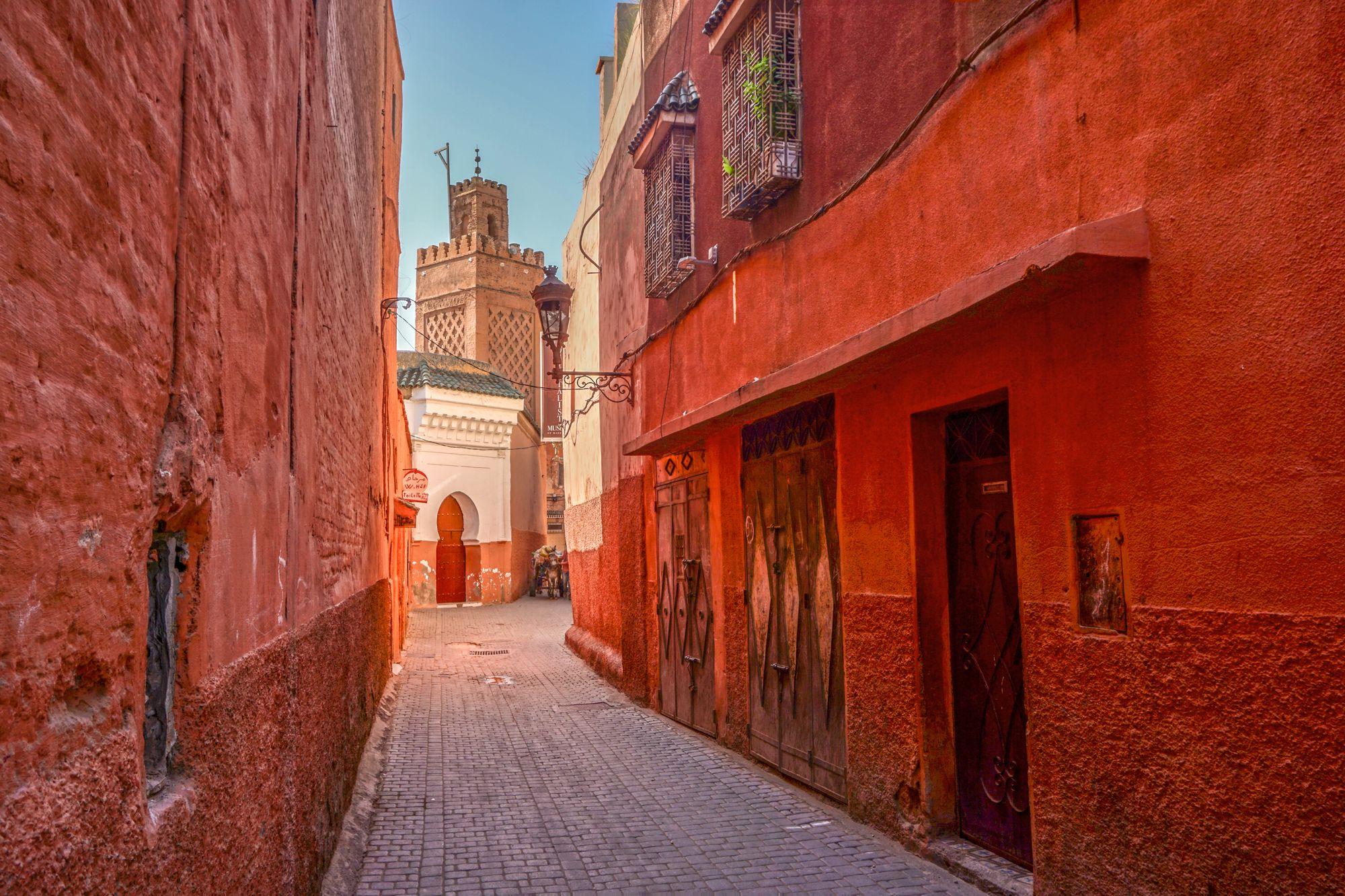
Morocco is a fascinating destination where ancient traditions meet modern life, offering travelers a unique blend of history, culture, breathtaking landscapes, and unforgettable experiences. Located in North Africa, Morocco welcomes visitors with vibrant cities, historic medinas, golden deserts, beautiful beaches, and the warm hospitality of its people.
Whether you dream of exploring traditional markets, discovering centuries-old architecture, tasting authentic Moroccan cuisine, or watching the sunset over the Sahara Desert, Morocco has something for every traveler.
If you are planning your first visit, this guide will help you discover the best places to visit, understand Moroccan culture, choose the right time to travel, and prepare for an unforgettable journey.
1. Discover Morocco’s Most Beautiful Cities
One of the best ways to explore Morocco is by visiting its diverse cities. Each destination has its own character, history, and attractions.
Marrakech: The Red City
Marrakech is one of Morocco’s most famous destinations. Known for its red-colored buildings, lively souks, beautiful gardens, and historic palaces, the city offers an immersive introduction to Moroccan culture.
Visit Jemaa el-Fnaa square, explore the narrow streets of the old medina, admire Bahia Palace, and relax in the peaceful Majorelle Garden. Marrakech is also an excellent place to discover traditional crafts, Moroccan cuisine, and the atmosphere of a historic imperial city.
Fez: A Journey Through History
Fez is renowned for its rich intellectual and cultural heritage. Its ancient medina, Fes el-Bali, is a maze of narrow streets, traditional workshops, historic mosques, and centuries-old buildings.
Visitors can explore traditional tanneries, discover Moroccan craftsmanship, and experience a city where many traditions have been preserved across generations.
Chefchaouen: The Blue Pearl
Nestled in the Rif Mountains, Chefchaouen is famous for its blue-painted streets and peaceful atmosphere. It is a wonderful destination for photography, relaxing walks, and discovering local handicrafts.
The surrounding mountains also offer opportunities for hiking and enjoying beautiful natural scenery.
Tangier: Where Africa Meets Europe
Located near the Strait of Gibraltar, Tangier has long been a meeting point between different cultures. Its coastal setting, historic medina, cafés, and lively waterfront make it an attractive destination for visitors.
Nearby attractions include Cape Spartel and the legendary Hercules Caves, where travelers can enjoy spectacular coastal views.
Essaouira: Coastal Charm and Artistic Spirit
Essaouira is a charming Atlantic coastal city known for its historic fortified medina, fishing port, fresh seafood, and relaxed atmosphere.
Its beaches attract visitors interested in seaside walks, surfing, windsurfing, and other water activities.
Rabat: Morocco’s Elegant Capital
Rabat combines modern urban life with an impressive historical heritage. Visitors can explore the Kasbah of the Udayas, the Hassan Tower, and the nearby Mausoleum of Mohammed V.
The city is a great choice for travelers who want to discover Morocco’s history while enjoying a calm and organized urban environment.
2. Experience the Magic of the Sahara Desert
A journey into the Sahara Desert is one of the most memorable experiences Morocco can offer. The region around Merzouga, near the impressive Erg Chebbi dunes, is especially popular with visitors seeking a desert adventure.
Travelers can enjoy camel rides, admire the changing colors of the sand dunes at sunset, spend a night in a desert camp, and gaze at the stars far from city lights.
Desert trips often include stops in traditional villages, dramatic valleys, and scenic landscapes along the way. Because journeys to the desert can involve long drives, it is worth planning enough time to enjoy the experience without rushing.
3. Explore Morocco’s Natural Landscapes
Morocco is much more than historic cities and desert dunes. Its diverse geography includes mountains, forests, valleys, beaches, and fertile countryside.
The Atlas Mountains offer opportunities for hiking, discovering mountain villages, and enjoying spectacular views. In the north, the Rif Mountains provide beautiful scenery and outdoor activities around destinations such as Chefchaouen.
Along the Atlantic coast, cities such as Agadir and Essaouira attract beach lovers and water-sports enthusiasts. Nature enthusiasts can also explore waterfalls, national parks, and rural areas that reveal a quieter side of the country.
For the best experience, choose destinations according to your interests, fitness level, and the season of your visit.
4. Taste Traditional Moroccan Cuisine
Moroccan cuisine is an essential part of the travel experience. It reflects centuries of cultural exchange and combines aromatic spices, fresh ingredients, and distinctive cooking techniques.
Some dishes every visitor should consider trying include:
- Tagine: A slow-cooked dish prepared with vegetables, meat, chicken, fish, or other ingredients, depending on the recipe.
- Couscous: A traditional dish commonly served with steamed semolina, vegetables, and meat, particularly on Fridays in many Moroccan households.
- Pastilla: A layered pastry traditionally combining sweet and savory flavors, with recipes varying by region.
- Harira: A comforting soup often prepared with tomatoes, lentils, chickpeas, herbs, and spices.
- Moroccan mint tea: A well-known symbol of hospitality, traditionally served to guests and shared during social occasions.
You can discover these flavors in local restaurants, traditional cafés, food markets, and family-run establishments. Trying regional specialties is also a wonderful way to understand the diversity of Moroccan culture.
5. Discover Moroccan Culture and Traditions
Moroccan culture has been shaped by Amazigh, Arab, African, Andalusian, Jewish, and other Mediterranean influences. This diversity can be seen in the country’s architecture, music, language, cuisine, clothing, and traditional crafts.
Visitors can discover handmade carpets, pottery, leather goods, metalwork, and colorful textiles in traditional souks. Historic medinas also reveal architectural details such as carved plaster, geometric tilework known as zellige, and intricately decorated wooden doors.
Hospitality is an important part of everyday life in Morocco. Learning a few basic expressions can make interactions more enjoyable. For example, “Salam Alaikum” is a common greeting, while “Shukran” means “thank you” in Arabic.
Respecting local customs, asking permission before photographing people, and dressing appropriately when visiting religious or traditional settings can help travelers enjoy more meaningful cultural encounters.
6. When Is the Best Time to Visit Morocco?
Morocco can be visited throughout the year, but the best time depends on the destinations and activities you have in mind.
Spring, from March to May: Often a pleasant period for exploring imperial cities, gardens, mountains, and countryside destinations.
Autumn, from September to November: A popular season for sightseeing, cultural trips, and many outdoor activities, with temperatures often becoming more comfortable after summer.
Summer, from June to August: Coastal destinations can be attractive during the warmer months, while inland cities and desert areas may experience very high temperatures.
Winter, from December to February: Cities and coastal regions can still be enjoyable, but mountain areas may be cold or snowy. Desert nights can also become surprisingly cold.
Before traveling, check the forecast for each destination, especially if your itinerary includes the Atlas Mountains or the Sahara Desert.
7. Where to Stay in Morocco
Morocco offers accommodation for a wide range of budgets and travel styles.
Traditional riads, often located inside historic medinas, allow visitors to experience distinctive architecture and peaceful courtyards. Hotels and resorts provide a variety of facilities, while guesthouses and smaller family-run accommodations can offer a more personal experience.
Desert camps provide a different kind of stay for travelers visiting the Sahara, while coastal destinations offer beachfront hotels and apartments.
When choosing accommodation, consider the location, transport options, guest reviews, included services, and distance from the places you plan to visit. Booking ahead is particularly useful during busy holiday periods and major local events.
8. Getting Around Morocco
Morocco has several transport options, depending on your route and budget.
Trains connect major destinations including Casablanca, Rabat, Tangier, and Fez, with high-speed rail available on the Tangier–Kenitra–Rabat–Casablanca corridor. Intercity buses serve many destinations not covered by rail.
Taxis and local transport can be useful for shorter journeys within cities. For rural areas, mountain villages, and certain desert itineraries, a rental car or organized tour may be more convenient.
Travel times can vary considerably between destinations, so avoid planning too many long journeys in a short visit. If you want to explore the Sahara, allow enough time for the drive and for enjoying the desert itself.
9. Practical Travel Tips for First-Time Visitors
A little preparation can make your trip to Morocco more comfortable and rewarding.
- Plan your itinerary: Choose a manageable number of destinations rather than trying to see the entire country in a few days.
- Carry some cash: Cash can be useful in markets, smaller shops, and some local establishments, although cards are accepted in many hotels and larger businesses.
- Dress comfortably: Bring clothing suitable for the season, and consider local customs when visiting religious or traditional places.
- Stay hydrated: Carry water during sightseeing, particularly in hot weather and desert areas.
- Agree on prices when necessary: For taxis or services without a clearly displayed price, confirm the cost before starting.
- Protect your belongings: Use normal travel precautions in crowded markets, stations, and busy tourist areas.
- Learn a few local expressions: Arabic and Amazigh are official languages, while Moroccan Arabic (Darija) is widely spoken. French is also commonly used, and English is understood in many tourist areas.
- Check travel requirements: Before departure, confirm current entry, visa, and health-related requirements with reliable official sources.
10. How Many Days Do You Need to Explore Morocco?
The ideal length of your visit depends on your interests and travel pace.
3–4 days: Focus on one main destination, such as Marrakech, Fez, or Tangier, with perhaps a nearby excursion.
7 days: Explore two or three destinations, for example Marrakech and Essaouira, or Tangier, Chefchaouen, and Tetouan.
10–14 days: Enjoy a broader itinerary that may include imperial cities, mountain scenery, the Sahara Desert, and the Atlantic coast. Choose your route carefully because distances can be significant.
If it is your first visit, allow time to explore each place rather than spending most of your holiday traveling between cities.
Conclusion: Start Your Moroccan Adventure
Morocco is a destination full of contrasts, where ancient medinas, lively markets, peaceful mountain villages, golden dunes, and beautiful coastlines come together. Every region offers a different perspective on the country’s history, traditions, and way of life.
Whether you are interested in culture, adventure, food, nature, or relaxation, careful planning will help you make the most of your journey.
Start by choosing the cities and experiences that interest you most, then build an itinerary that allows you to discover Morocco at your own pace.
Ready to explore Morocco? Discover more destinations, travel inspiration, cultural insights, and practical guides on greatmorocco.com and begin planning your Moroccan adventure today.